
In recent years, more people have begun supporting animal welfare causes. Social media has made it easier to see rescues in real time, understand the urgency of medical cases, and step in to help animals in need. At the same time, it has also made it harder for donors to distinguish between genuine, on-ground organisations and those that are not transparent or accountable.
Donating is an act of trust. And trust deserves clarity.
This guide is meant to help donors understand how to recognise a legitimate NGO, what questions are reasonable to ask, and what transparency actually looks like in real rescue work.
1. A Legitimate NGO Has a Clear Identity and Legal Presence
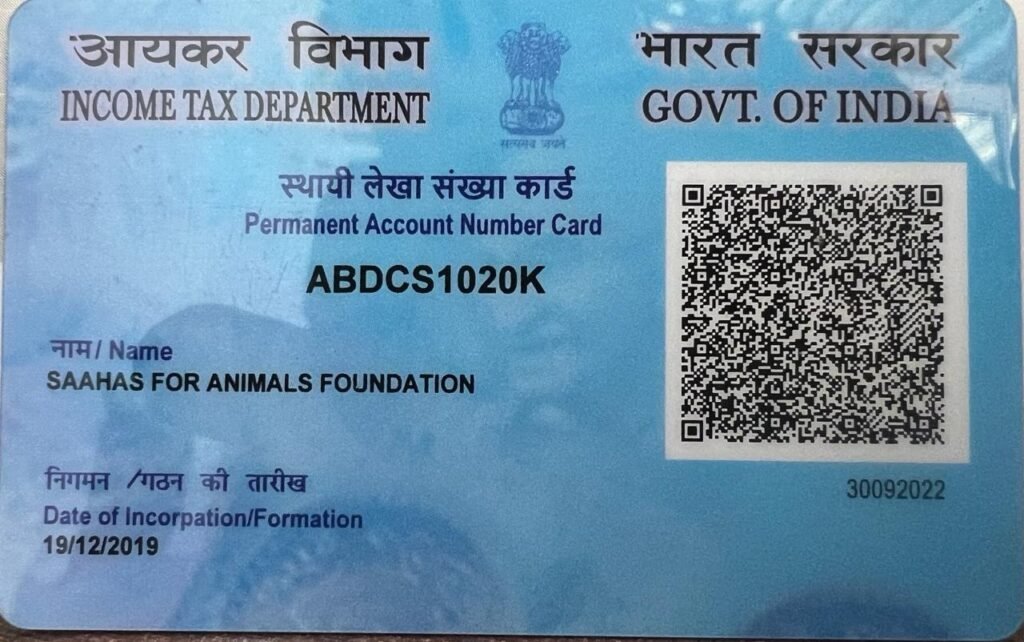
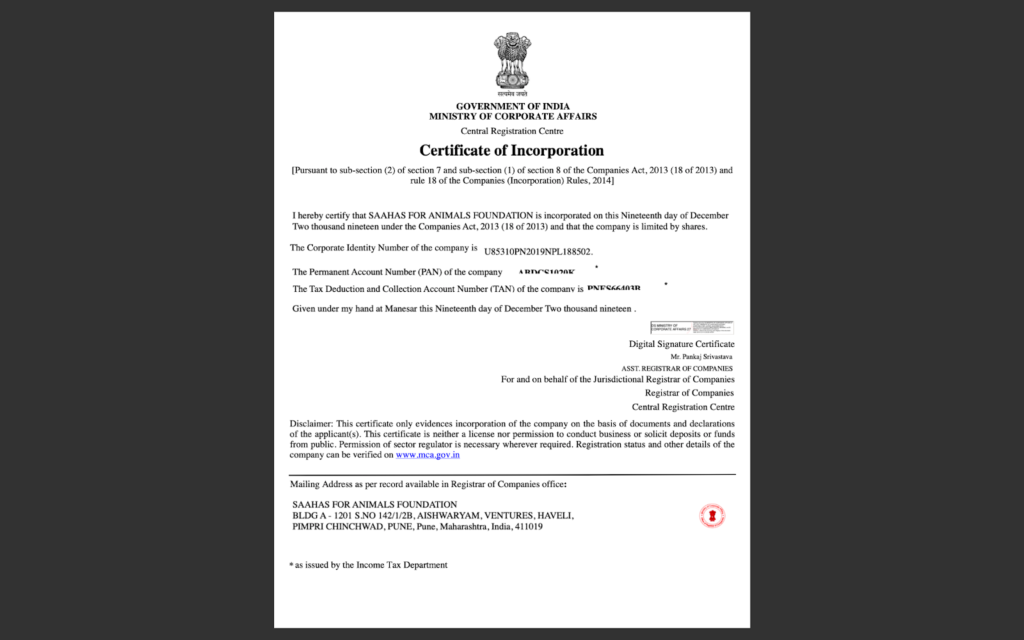

Any genuine NGO will be registered under the appropriate laws and will not hesitate to share this information. This includes:
- Registration details (Trust, Society, or Section 8 Company)
- PAN details
- FCRA registration, if they accept foreign donations – An NGO can apply for this only after they are 5 years old.
- Basic organisational information available on their website or official pages
Legitimate organisations understand that donors have a right to know who they are supporting. Transparency at this level is not a favour, it is a responsibility.
2. Their Work Is Visible, Consistent, and Verifiable

Real animal welfare work is continuous, not occasional.
A credible NGO will usually show:
- Regular rescue updates
- Medical treatment processes
- Recoveries, long-term cases, and sometimes even losses
- Daily shelter life, not just emergencies
Importantly, their content will not only focus on dramatic rescues. You will also see routine care like feeding, cleaning, follow-ups, physiotherapy, vaccination drives, or outreach work. This consistency indicates that the organisation is actively working on the ground, not only appearing during fundraising appeals.
3. They Are Transparent About Where Donations Go
Animal rescue is expensive, and ethical NGOs do not hide this reality.
A legitimate organisation is usually open about costs such as:
- Medicines and consumables
- Diagnostic tests (blood work, X-rays, ultrasounds)
- Surgeries and post-operative care
- Staff salaries
- Shelter rent, electricity, water, and maintenance
If an NGO explains why funds are needed instead of making vague emotional appeals, it is a strong sign of authenticity. Genuine organisations understand that donors value clarity over exaggeration.
4. They Are Willing to Answer Questions
It is completely reasonable for donors to ask:
- How many animals are currently under care?
- What type of cases does the organisation handle?
- How are donations utilised?
- Are updates provided after donations?
A legitimate NGO will not be defensive about such questions. On the contrary, they welcome informed donors because transparency strengthens long-term support.
Silence, avoidance, or hostility when basic questions are asked can be a red flag.
5. They Do Not Promise Unrealistic Outcomes
Animal welfare work does not guarantee happy endings every time.
Ethical NGOs acknowledge that:
- Not every animal can be saved
- Recovery can take months or years
- Some animals require lifelong care
- Outcomes depend on injury severity, age, and overall health
Organisations that only show perfect recoveries or make absolute promises should be viewed cautiously. Honest NGOs share the full spectrum of outcomes, because that reflects the reality of rescue work.
6. Their Team and Systems Are Visible
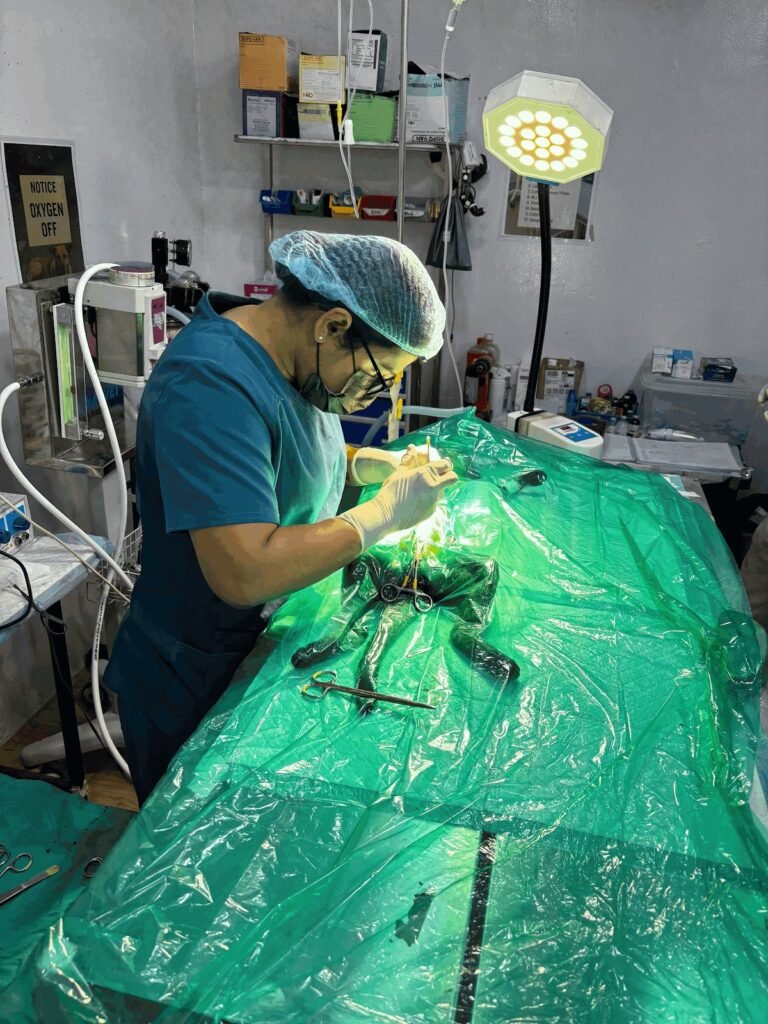
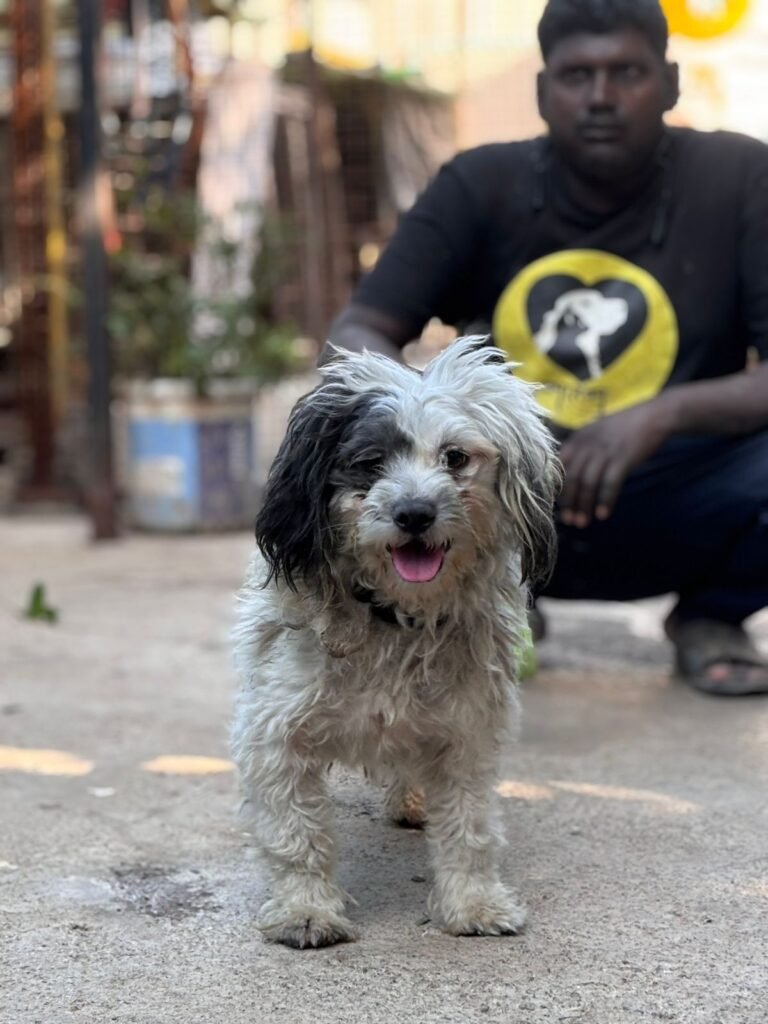
Most legitimate NGOs operate with:
- Trained caregivers
- Veterinarians or veterinary partners
- Volunteers
- Clear rescue and treatment protocols
They may not always have perfect infrastructure, but they usually show systems in place, how animals are admitted, treated, rehabilitated, and monitored. This structure indicates accountability and experience.
7. They Encourage Long-Term Support, Not One-Time Guilt Donations
Sustainable NGOs focus on:
- Monthly donations
- Virtual adoptions
- Sponsorships
- Community involvement
This is because animal welfare is not solved through one rescue or one payment. Organisations that emphasise continuity over urgency-driven pressure are usually working with a long-term vision.
Why This Matters
When donors choose the right organisation, they don’t just help one animal, they strengthen an entire system of care. Responsible donations allow NGOs to plan treatments, invest in better diagnostics, retain trained staff, and rescue more animals sustainably.
As donors, asking questions and seeking transparency is not distrustful. It is thoughtful. And thoughtful giving is what truly creates impact.